Home Inspection Checklist: What Every Buyer Should Know
Buying a home is one of the biggest investments you’ll ever make. While the excitement of finding the perfect property can be overwhelming, it’s crucial not to overlook the importance of a thorough home inspection. A detailed inspection can save you thousands of dollars in unexpected repairs and give you peace of mind before closing the deal. This guide will walk you through the essentials of a home inspection checklist and why it matters.
Why a Home Inspection Checklist Matters
A home inspection isn’t just a formality—it’s your opportunity to uncover hidden issues that could affect your safety, comfort, and finances. Inspectors evaluate the property’s condition, identify potential hazards, and provide a report that helps you make informed decisions. With a checklist in hand, you can ensure no critical area is missed during the process.
Key Areas Every Inspection Should Cover
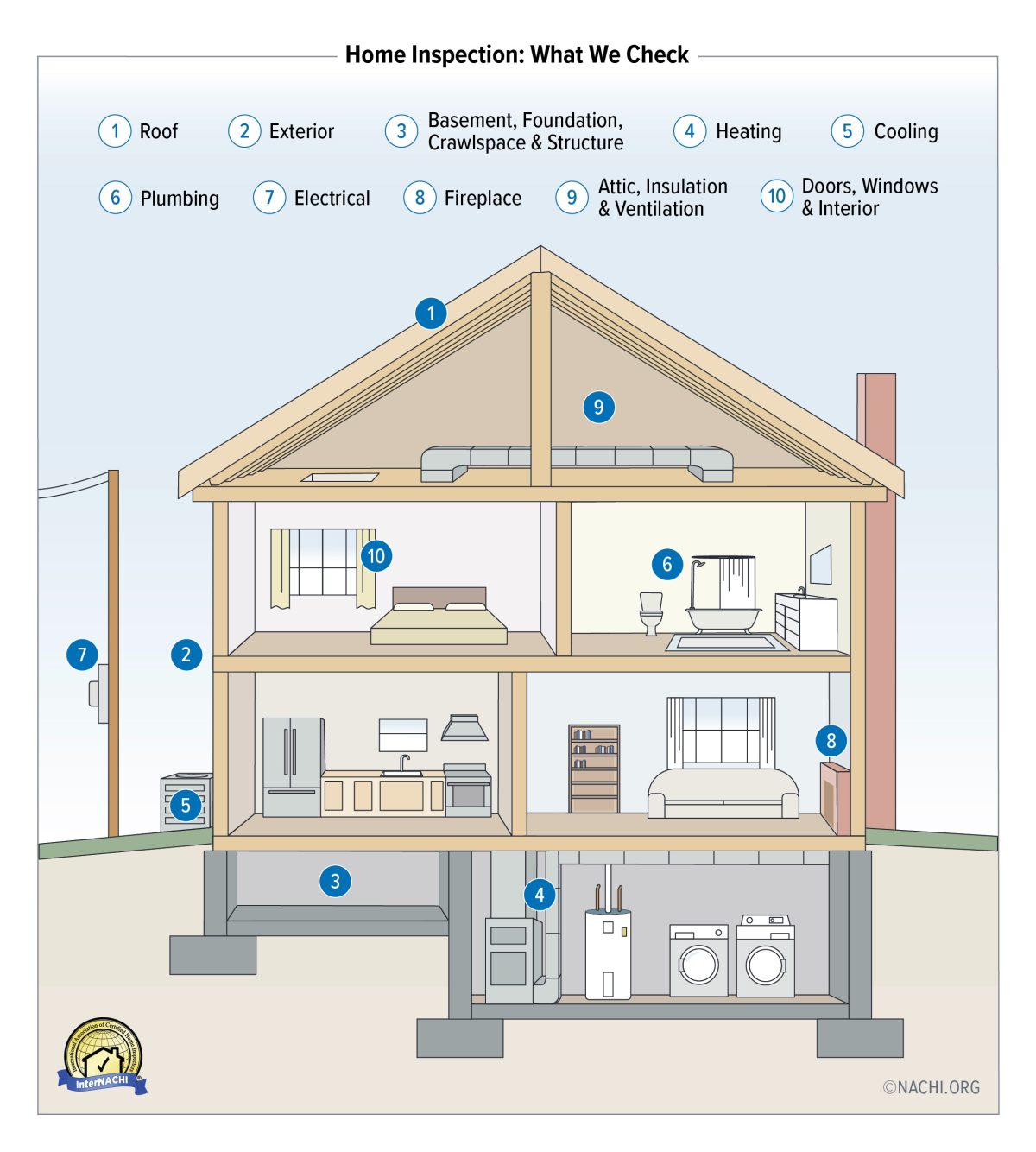
- Roof and Exterior
Check for missing shingles, leaks, and signs of water damage. Inspect gutters, siding, and drainage systems to prevent costly repairs later. - Foundation and Structure
Look for cracks, uneven floors, or signs of settling. Structural issues can be expensive and may compromise the integrity of the home. - Electrical System
Ensure wiring is up to code, outlets are functional, and the breaker panel is safe. Faulty electrical systems pose serious fire hazards. - Plumbing
Test faucets, toilets, and drains for leaks or slow drainage. Inspect the water heater and look for signs of corrosion or inadequate water pressure. - HVAC System
Heating and cooling systems should operate efficiently. Ask about the age of the units and maintenance history. - Interior Spaces
Check walls, ceilings, and floors for stains or cracks. These can indicate water damage or structural problems.
Common Red Flags
- Mold or mildew in basements or bathrooms
- Water stains on ceilings or walls
- Outdated electrical panels
- Poor drainage around the foundation
- Signs of pest infestation
If any of these issues appear, discuss repair options or negotiate with the seller before closing.
Pro Tips for Buyers
- Attend the Inspection: Being present allows you to ask questions and understand the inspector’s findings firsthand.
- Review the Report Carefully: Don’t just skim—look for major concerns that could affect your decision.
- Budget for Repairs: Even minor issues can add up, so plan accordingly.
Final Thoughts
A home inspection checklist is your roadmap to a safe and sound investment. By knowing what to look for and working with a certified inspector, you can avoid unpleasant surprises and move forward with confidence.
Call to Action:
Download our FREE Home Inspection Checklist and schedule your inspection today to protect your investment.


Leave a Reply