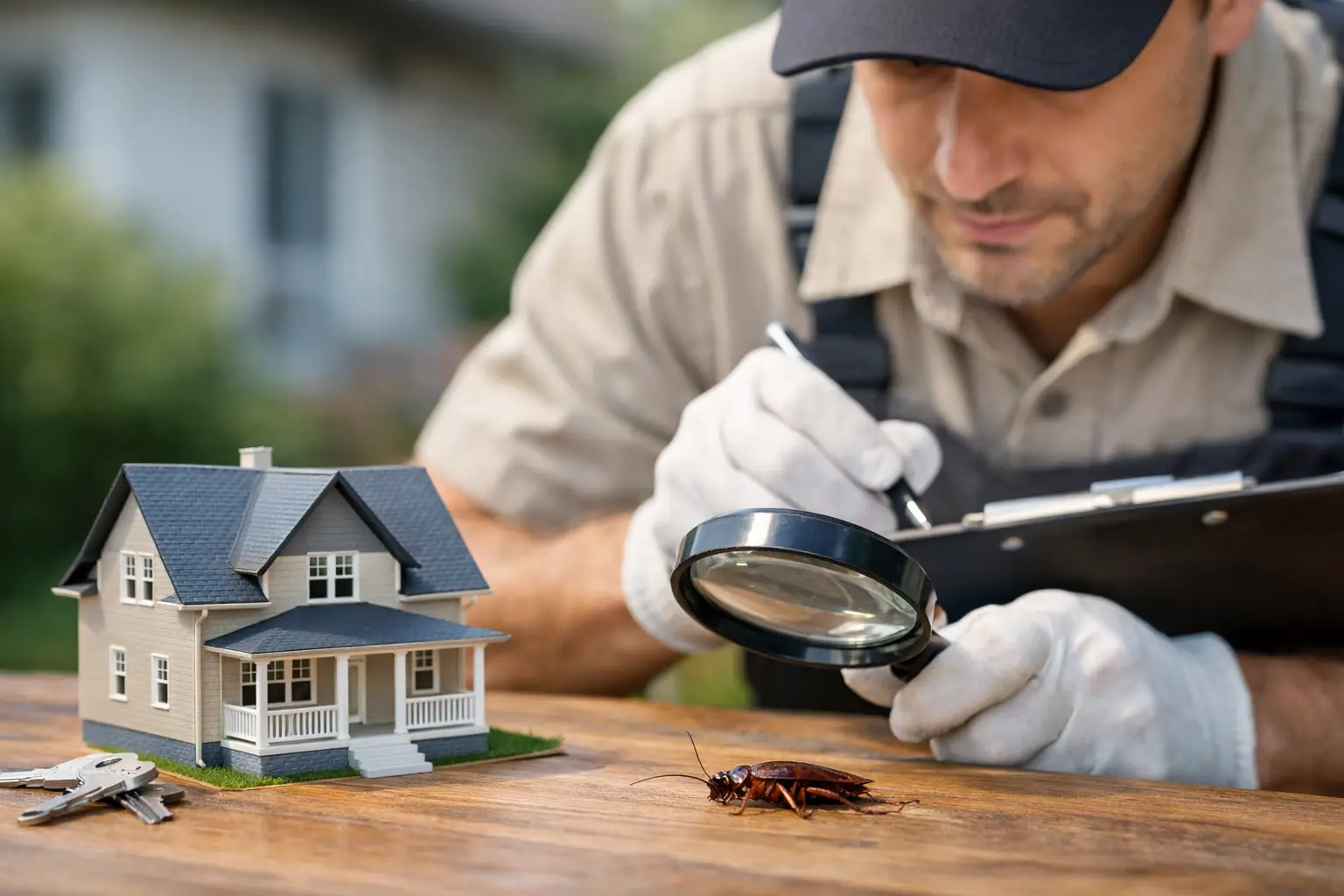
A borrower may hear that an FHA loan needs a pest report, then learn that another buyer using FHA did not get one. Both situations can be true. Does FHA require pest inspection for every purchase? No. But FHA property standards, visible signs of damage, local lending practices, and underwriting conditions can make a structural pest inspection necessary before closing.
That distinction matters. A pest inspection can uncover active wood-destroying insects, prior damage, fungal decay, or moisture conditions that make future damage more likely. For a buyer, it is not simply another loan checklist item. It is evidence needed to understand the condition of a major asset before the transaction is final.
Does FHA Require Pest Inspection on Every Home?
FHA does not impose a blanket requirement for a wood-destroying insect inspection on every home it insures. In many FHA transactions, no separate pest report is ordered.
However, the FHA appraisal is not just a valuation exercise. The appraiser also looks for conditions that may affect safety, security, or structural soundness. If the appraiser sees evidence of termites, carpenter ants, wood-boring beetles, moisture-related deterioration, or damaged framing, the lender may require further evaluation. That can mean a licensed structural pest inspection, repairs, or both before the loan can close.
The lender and its underwriter have discretion as well. A lender may request a pest report because of an appraiser’s comment, a concern raised in the home inspection, a property-specific risk factor, or its own lending policy. In some cases, the purchase agreement also requires one. The practical answer is: FHA may not automatically require it, but the property condition can trigger the requirement quickly.
What the FHA Appraiser Is Looking For
An FHA appraiser does not perform the same scope of work as a home inspector or structural pest inspector. The appraiser is not moving stored items, entering inaccessible areas, probing wood, or conducting a detailed search for every possible pest issue. Their review is generally visual and limited by access.
Still, obvious conditions can raise questions. These include damaged or softened exterior trim, mud tubes associated with subterranean termites, visible insect galleries, sagging floors, deteriorated deck components, standing water in a crawlspace, and damaged sill plates or posts. A home with peeling paint or an aging roof may prompt FHA repair requirements for different reasons, while visible pest damage may lead to a separate inspection condition.
This is why a home can appear acceptable during a showing and still develop a last-minute lender condition. Crawlspaces, rim joists, decks, lower siding, and wood close to soil are common trouble spots, particularly in the damp marine climate around Bainbridge Island and Kitsap County.
When a Pest Inspection Is Most Likely to Be Required
A lender is more likely to request a wood-destroying insect report when there is clear evidence or a reasonable concern that insects have affected the structure. The home inspection may identify suspected activity or damage. The FHA appraiser may note a visible condition. The seller may disclose prior treatment, repairs, or recurring moisture issues.
Older homes are not automatically a problem, and newer homes are not automatically exempt. Age alone does not determine risk. What matters more is the combination of moisture, wood-to-soil contact, drainage, ventilation, prior repairs, and visible deterioration.
A pest inspection is also more likely when the property has a crawlspace with limited access, a history of water intrusion, a deck or porch with aging structural members, or landscaping that holds moisture against siding. These conditions do not prove an infestation, but they justify a closer look.
For manufactured homes, the loan and inspection path can involve additional requirements. FHA and VA manufactured-home transactions may require confirmation of permanent foundation and HUD compliance items. A pest report may be requested if damage or pest activity is suspected, but it is separate from a foundation certification or compliance inspection. Buyers should confirm exactly what their lender is ordering rather than assuming one report satisfies every condition.
What a Structural Pest Inspection Can Tell You
A licensed structural pest inspection focuses on organisms and conditions that can damage wood or compromise structural components. Depending on the property and accessible areas, the inspector may evaluate crawlspaces, basements, attics, exterior siding and trim, decks, porches, garages, and visible framing.
The report should distinguish between active infestation, evidence of prior infestation, damage that needs repair, and conditions conducive to future activity. That difference is critical. Old evidence of carpenter ants, for example, is not the same as active activity. Likewise, a repaired area may be structurally sound, while ongoing moisture at the same location still needs correction.
In western Washington, moisture is often part of the larger story. Wet soil beneath a house, poor grading, leaking gutters, missing vapor barriers, plumbing leaks, and limited crawlspace ventilation can create conditions that support decay and attract wood-destroying insects. Treating insects without correcting the moisture source can leave the buyer with an incomplete solution.
A Pest Report Is Not a Substitute for a Home Inspection
Some buyers assume a pest report will cover the same ground as a full home inspection. It will not. A structural pest inspection is specialized. It is designed to identify pest-related evidence and wood-damaging conditions, not to evaluate the roof life, electrical safety, plumbing function, heating equipment, insulation, appliances, or every visible component of the property.
Likewise, a general home inspection can identify signs that warrant pest evaluation, but it does not replace a licensed structural pest report when the lender specifically requests one. Each inspection answers a different question.
For a buyer using FHA financing, the strongest approach is often to order a comprehensive home inspection early in the contingency period and add a structural pest inspection when the home, disclosure history, or initial findings call for it. This gives the buyer time to understand the condition, obtain repair estimates if needed, and avoid scrambling after the appraisal is completed.
What Happens If the Report Finds Damage?
A finding does not automatically end the transaction. The next steps depend on what was found, whether activity is active, how extensive the damage is, and what the lender requires.
If there is active infestation, treatment may be needed before closing. If structural wood has been significantly damaged, the lender may require repair by a qualified contractor and may ask for documentation or reinspection. Minor past evidence with no active infestation and no structural concern may not create a loan issue at all, though it is still useful information for the buyer.
The repair negotiation is separate from the FHA lending decision. A seller may agree to treat and repair, offer a credit where permitted, reduce the price, or decline to make changes. Buyers should be careful with credits when FHA-required repairs must be complete before closing. A credit does not necessarily satisfy an underwriter who needs proof that a safety or structural issue has been corrected.
How Buyers and Sellers Can Avoid Delays
Timing is usually the biggest controllable factor. Buyers should ask their lender early whether its FHA program has any property-specific pest-report requirements. If the home inspection notes suspected insects, damaged wood, or significant crawlspace moisture, arrange the specialized inspection promptly rather than waiting for the appraisal to raise the same concern.
Sellers can reduce surprises by addressing obvious moisture and wood-maintenance issues before listing. Clear access to crawlspaces, attics, electrical panels, and perimeter areas also helps inspections move quickly and produces a more complete report. Covering a damaged area with fresh paint or stored belongings does not resolve the underlying issue and can create a more difficult negotiation later.
A thorough inspection process should document accessible conditions clearly, explain what is active versus historic, and identify when another specialist is needed. Lavalyn Inspections provides detailed home and structural pest inspections with clear reporting, helping buyers, sellers, and real estate professionals make decisions on evidence rather than assumptions.
The most useful question is not simply whether FHA requires a pest inspection. Ask whether this particular home shows any condition that could affect its structure, financing, or long-term maintenance. Getting a clear answer before the appraisal deadline protects your options and gives you a calmer path to closing.


Leave a Reply