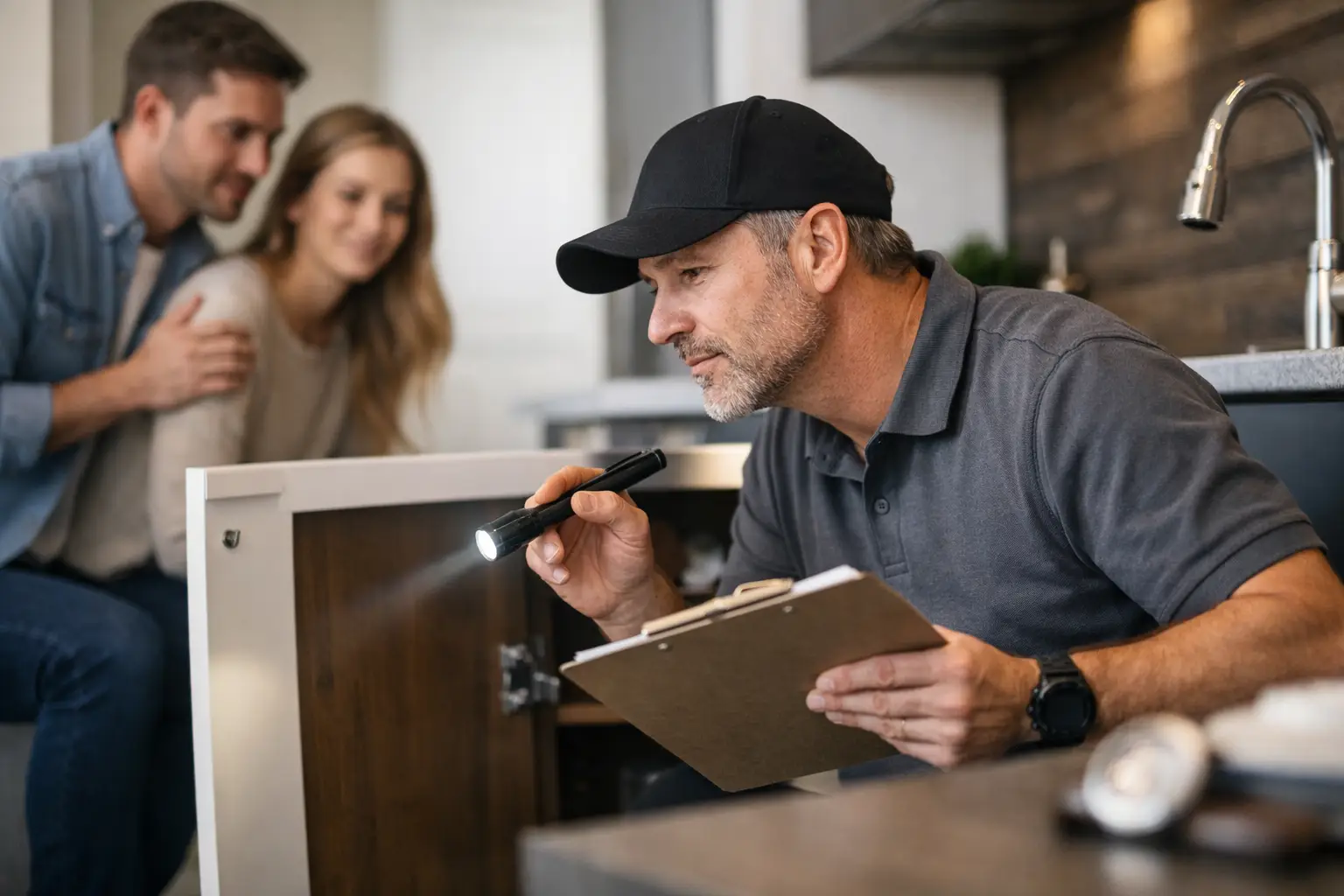
A buyer standing in the driveway after two hours may wonder whether something has gone wrong. Usually, the opposite is true. When asking how long does a home inspection take, the useful answer is not simply a number. The appointment should be long enough for the inspector to evaluate accessible systems carefully, document concerns, and explain the findings without rushing you toward a decision.
For a typical single-family home, plan on two to four hours on site. A compact, newer condo may take closer to two hours, while a larger, older, waterfront, or more complex property can take four hours or longer. If the inspection includes specialty services such as a sewer scope, mold testing, structural pest inspection, drone roof imaging, or manufactured-home compliance review, allow additional time.
How Long Does a Home Inspection Take on Average?
A standard inspection of an average-size home commonly takes about three hours. That time covers the visible and accessible condition of the home’s major components: roof, exterior, foundation, siding, electrical panel and visible wiring, plumbing fixtures, heating and cooling equipment, attic, crawlspace, garage, decks, and site drainage.
The square footage matters, but it is not the only factor. A well-maintained 3,000-square-foot newer home with an open crawlspace may be faster to inspect than a 1,500-square-foot home built in 1940 with additions, aging systems, limited attic access, and moisture concerns. Inspection time follows the home’s condition and complexity, not just its size.
For buyers in Bainbridge Island and throughout Kitsap County, older homes, wooded lots, damp crawlspaces, and salt-air exposure can require closer attention. Those conditions are not automatic red flags. They do mean an inspector may need more time to identify moisture patterns, evaluate exterior deterioration, or determine whether a concern needs further review by a qualified contractor.
What Happens During Those Hours?
A thorough inspection is a methodical process, not a quick walk-through. The inspector begins outside, assessing the roof when it is safe to walk, the exterior cladding, windows, decks, grading, drainage, foundation, and visible site conditions. When roof access is limited by height, pitch, weather, or surface condition, drone imagery can provide a safer view of areas that should not be guessed at from the ground.
Inside, the inspection moves through each accessible room and major system. That includes operating representative windows and doors, testing accessible outlets and fixtures, checking plumbing supply and drainage where possible, examining heating and cooling equipment, and looking for signs of past or active moisture intrusion. Attics and crawlspaces often take more time because they can reveal insulation issues, ventilation concerns, wood damage, plumbing leaks, and structural conditions that are not visible from the living areas.
Thermal imaging can add meaningful evidence without adding much delay to an appointment. A thermal camera does not see through walls or diagnose mold by itself. It can, however, help identify temperature differences that may point to moisture, missing insulation, or electrical concerns worth investigating further. The inspector still confirms what can be confirmed through visible conditions, moisture readings, and appropriate follow-up recommendations.
Factors That Can Make an Inspection Take Longer
The best way to plan your day is to assume the inspection may run longer than the minimum estimate. Several conditions can add time, and most are signs of careful work rather than a problem with the process.
A larger home has more rooms, fixtures, windows, electrical outlets, and exterior surfaces to assess. Multiple heating systems, fireplaces, detached garages, accessory dwelling units, outbuildings, pools, and extensive decks also expand the scope. An inspector must document what is present, not merely notice that it exists.
Age and maintenance history matter just as much. Older homes can include generations of repairs, additions, and system updates. Some are exceptionally well cared for. Others have inaccessible areas, obsolete materials, or repairs that need closer evaluation. A home with visible staining, musty odors, pest activity, settlement cracks, or active leaks may require more photographs, measurements, and explanation.
Access can also affect timing. A cluttered garage, blocked crawlspace hatch, locked utility room, or attic filled with stored belongings limits what can be inspected. Inspectors report inaccessible areas, but a seller who provides clear access helps create a more complete evaluation and keeps the appointment moving.
Weather is another practical factor in Western Washington. Heavy rain can make some roof surfaces unsafe to walk, while standing water can conceal site conditions. A professional inspector adjusts the approach, uses available tools, and clearly states any limitations. Safety should never be traded for speed.
Specialty Services Add Time, but Often Add Clarity
A general home inspection provides a broad assessment of visible and accessible components. Specialty services answer narrower questions and are commonly scheduled alongside the main appointment when a property or transaction calls for them.
A sewer camera inspection may add roughly 30 to 60 minutes, depending on access and the line’s condition. It can identify root intrusion, offsets, belly conditions, or damaged piping before a buyer inherits an expensive underground repair. Septic imaging and evaluation can also require added coordination, especially when records, tank access, or system location are uncertain.
Mold testing takes only a short time to collect samples, but laboratory results arrive later. The visual inspection and moisture investigation are equally important because a test result without context does not explain why elevated moisture or mold-like growth may be present.
Structural pest inspections require careful review of accessible wood framing and conditions that encourage infestation, particularly in crawlspaces, basements, and exterior wood components. If wood-destroying organisms or damage are suspected, documentation needs to be precise enough for buyers, sellers, lenders, and treatment professionals to understand the concern.
Manufactured homes may require additional time when HUD/FHA or VA compliance requirements apply. Tie-downs, foundation elements, access, utilities, additions, and required certifications have details that deserve an inspector familiar with the applicable standards. This is not a service to treat as an ordinary add-on when loan approval depends on it.
Should Buyers Attend the Inspection?
Buyers do not need to follow the inspector through every minute of the appointment, and doing so can make it harder to focus on the work. A good approach is to arrive for the final 30 to 60 minutes, or at a time arranged in advance. That allows the inspector to complete the detailed review while still giving you time to see key concerns, ask questions, and understand which findings are routine maintenance versus issues that may affect negotiations or safety.
First-time buyers often benefit most from attending the recap. The goal is not to turn the inspection into a pass-or-fail grade. Nearly every home has defects, deferred maintenance, or upgrades to consider. The value lies in understanding the condition you are buying, the likely urgency of repairs, and where further evaluation is warranted.
How to Plan Around Your Inspection and Closing Timeline
Set aside at least half a day, even if the home is small. Build in time for the on-site inspection, questions afterward, and review of the written report. A same-day or guaranteed 24-hour report helps keep a transaction moving, but you should still allow time to read it carefully and discuss significant findings with your agent, lender, seller, or appropriate contractors.
Sellers can make the appointment more efficient by unlocking gates, garages, electrical panels, attics, crawlspaces, and utility rooms; moving vehicles away from the garage; securing pets; and providing records for major repairs or recent system replacements. These steps do not change what an inspector finds, but they reduce avoidable limitations.
Lavalyn Inspections approaches the time on site as time spent protecting a major decision. The right inspection is not the fastest one. It is the one that gives you clear evidence, understandable context, and enough information to move forward with confidence.


Leave a Reply