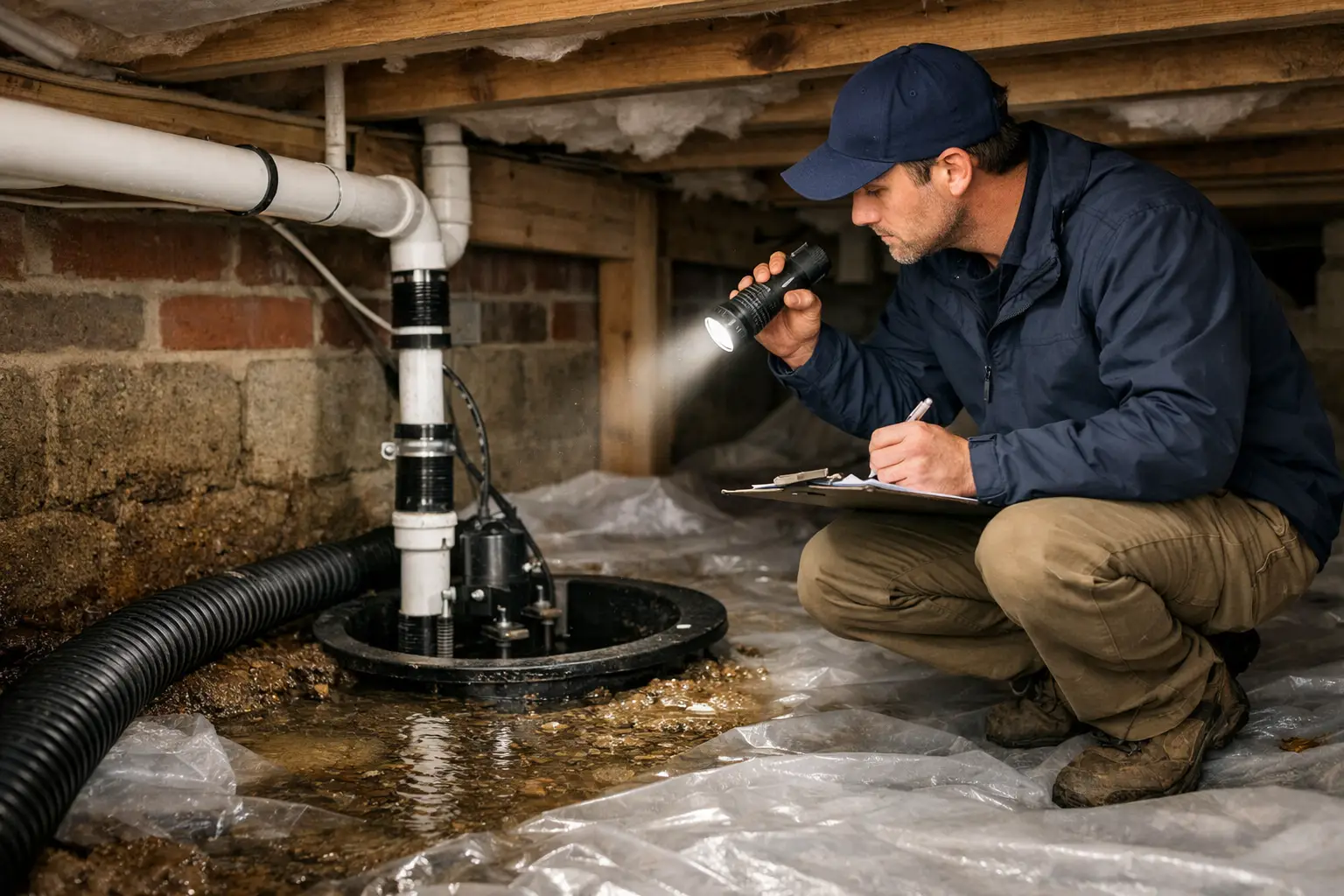
A damp crawlspace can stay out of sight for years while quietly affecting framing, insulation, indoor air quality, and the value of a property. A crawlspace drainage inspection looks beyond the obvious puddle to identify where moisture is entering, whether it has a path to leave, and what conditions may worsen during the next stretch of heavy rain.
For buyers, this work can clarify whether a wet crawlspace is a manageable maintenance issue or a sign of a larger drainage, plumbing, or foundation concern. For sellers and homeowners, it creates a practical starting point for repairs before moisture leads to mold growth, wood decay, or structural pest activity.
Why Crawlspace Drainage Deserves Close Attention
Crawlspaces are naturally cooler and darker than the living areas above them. That makes them especially vulnerable when rainwater, groundwater, plumbing leaks, or humid outside air add moisture faster than the space can dry. In the Pacific Northwest, seasonal rainfall and slow-draining soils can make site drainage just as significant as the condition of the crawlspace itself.
Water does not need to cover the ground to cause damage. Persistently damp soil can raise humidity beneath the home, and that moisture can be absorbed by wood framing, insulation, and subflooring. Over time, a minor drainage problem may contribute to fungal growth, deteriorated insulation, musty odors, corrosion, and conditions that attract wood-destroying organisms.
The source matters. A crawlspace that gets wet only after major storms may point to exterior grading, gutters, downspouts, or perimeter drainage. Moisture localized below a bathroom, kitchen, laundry area, or water heater may suggest a plumbing issue instead. A careful inspection helps separate those possibilities rather than treating every wet crawlspace as the same problem.
What a Crawlspace Drainage Inspection Examines
The inspection begins with access and safety. If the crawlspace can be entered safely, the inspector evaluates visible conditions throughout the accessible areas, not just the section near the entry hatch. Low clearance, standing water, exposed wiring, or unstable surfaces can limit access, but those limitations should be documented clearly.
Ground Conditions and Standing Water
The most direct evidence of a drainage concern is standing water, wet soil, mud, or water staining along the crawlspace perimeter. An inspector also looks for water channels, sediment deposits, and discolored vapor barriers that show where water has traveled, even if the area is dry on the day of the inspection.
A vapor barrier can reduce moisture rising from soil, but it is not a drainage system. Torn, incomplete, or poorly lapped plastic allows ground moisture to enter the space. Conversely, a vapor barrier covered by water may indicate that a more basic drainage issue needs to be addressed first.
Perimeter Drainage and Sump Equipment
Where visible and accessible, perimeter drain components, drain outlets, sump basins, and sump pumps are evaluated for apparent condition. A sump system should have a functioning pump, an appropriate discharge route, and a check valve where needed to keep discharged water from returning to the pit.
Not every home has a sump pump, and not every wet crawlspace needs one. The right solution depends on site elevation, soil conditions, roof runoff, groundwater, and the actual path of the water. A pump can manage collected water, but it will not correct downspouts that dump roof runoff beside the foundation or landscaping that slopes toward the house.
Exterior Water Management
A crawlspace drainage concern often starts outside. The inspection considers visible grading around the foundation, roof runoff control, gutter and downspout discharge, and signs that surface water is being directed toward the structure. On Bainbridge Island and throughout Kitsap County, properties with mature landscaping, sloped lots, or older drainage systems can require particularly close attention after prolonged rain.
The goal is not to promise that every yard will remain dry in every storm. It is to identify visible conditions that unnecessarily concentrate water at the foundation. Downspout extensions, regrading, drain cleaning, and repairs to damaged splash blocks can sometimes make a meaningful difference before more extensive work is considered.
Framing, Insulation, and Moisture Effects
Drainage is evaluated alongside its impact on the building. Visible wood framing is checked for staining, fungal growth, decay-like conditions, and moisture-related damage. Insulation is reviewed for sagging, wetness, missing sections, or contact with soil. Metal components may show corrosion, while ducts can develop condensation or damaged insulation.
Thermal imaging can help identify temperature patterns associated with possible moisture concerns in accessible areas, but it does not see through every material or replace direct observation. When staining, odors, or suspected microbial growth are present, further evaluation or mold testing may be appropriate.
Signs You Should Schedule an Inspection
A crawlspace should be inspected as part of a complete home inspection, but certain signs warrant attention sooner. Watch for these conditions:
- A musty odor indoors, especially after rain or when the heat first runs
- Water, mud, or wet insulation near the crawlspace access
- Floors that feel unusually cold, soft, or uneven
- Repeated mold-like growth, peeling finishes, or unexplained humidity indoors
- Downspouts that end beside the home, overflowing gutters, or soil sloping toward the foundation
These signs do not automatically mean there is major structural damage. They do mean the moisture source and the condition of the accessible crawlspace components deserve a closer look. Acting early is usually less disruptive than waiting until flooring, framing, or insulation must be replaced.
What Inspection Findings Can and Cannot Tell You
A professional inspection provides a snapshot of visible, accessible conditions on the day of the visit. It can identify standing water, evidence of prior moisture, visible drainage defects, damaged vapor barriers, and apparent effects on accessible materials. It can also flag when a drainage contractor, plumber, structural specialist, or pest professional should evaluate the issue further.
It cannot guarantee that an underground drain is clear from end to end without specialized testing or camera equipment. Nor can a visual inspection predict exactly how a crawlspace will perform during an unusually severe storm. Buried drain failures, concealed plumbing leaks, and water movement below slabs or behind finished walls may require additional investigation.
That distinction is useful during a real estate transaction. A vague note that a crawlspace is damp leaves too much uncertainty. Clear documentation of observed conditions, likely contributing factors, access limitations, and recommended next steps gives buyers, sellers, and agents a better basis for repair discussions and timelines.
Practical Next Steps After Moisture Is Found
The correct repair sequence usually starts with controlling water at the exterior. Gutters should be kept clear, downspouts should discharge away from the foundation, and soil should not direct surface water toward the home. If those basics are in place but water remains, a qualified drainage professional can assess perimeter drains, catch basins, sump equipment, and site-specific solutions.
Inside the crawlspace, damaged insulation and deteriorated vapor barriers may need replacement after the water source is controlled. Wet materials should not simply be covered over. If visible fungal growth, decay, or structural pest evidence is present, the repair plan may need input from the appropriate licensed specialist.
For a home purchase, ask for enough information to understand scope and cost before the inspection contingency expires. For a seller, addressing straightforward drainage defects before listing can reduce last-minute negotiations. For a homeowner, photos and a detailed report establish a useful baseline for monitoring the space through future wet seasons.
A crawlspace does not need to be spotless to be serviceable, but it should not be quietly collecting water or feeding moisture into the home above. A thorough inspection gives that hidden area the same level of attention as the roof, electrical panel, and foundation – so decisions can be based on evidence instead of guesswork.


Leave a Reply