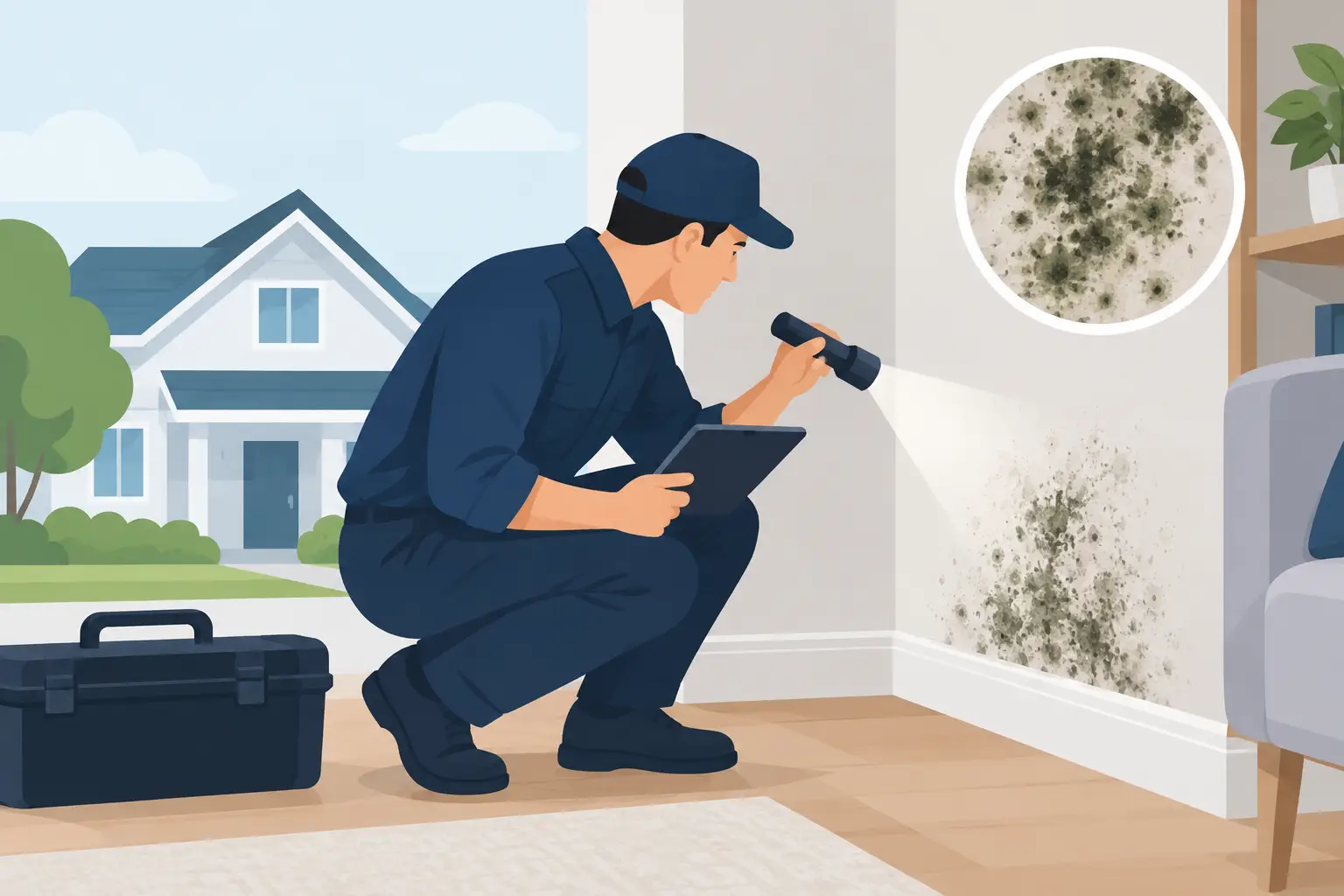
That faint earthy smell in a closet, a dark mark near a window, or recurring condensation in a bathroom can raise a reasonable question: is this mold, and how serious is it? A certified mold inspection helps replace guesswork with documented observations about moisture conditions, visible growth, and whether laboratory testing is useful. For a buyer working against a closing date or a homeowner trying to protect a property, the goal is not alarm. It is clear evidence and practical next steps.
Mold is common in the Pacific Northwest because homes routinely contend with rain, cool temperatures, shaded building surfaces, and enclosed areas that do not dry quickly. Yet not every stain is mold, and not every mold concern requires extensive sampling or remediation. The right scope depends on what is visible, where moisture is coming from, who occupies the home, and whether the concern affects a real estate decision.
What a Certified Mold Inspection Looks For
A useful mold inspection begins with the building, not a swab. Mold needs moisture and a material it can grow on. The most valuable part of an inspection is identifying the conditions that may be allowing growth to occur: a roof leak, plumbing drip, wet crawlspace, poorly vented bath fan, condensation at windows, or exterior water entering through siding or flashing.
The inspector visually evaluates accessible areas where moisture problems commonly develop. That may include bathrooms, kitchens, laundry rooms, attics, crawlspaces, basements, utility rooms, exterior wall areas, and the spaces around windows and doors. Evidence can include staining, peeling finishes, warped materials, damp insulation, corrosion, musty odors, and visible fungal-like growth.
At Lavalyn Inspections, thermal imaging can help identify temperature differences that may be consistent with moisture behind a finished surface. A thermal camera does not see mold through drywall, and a cool area alone does not prove a leak. It is a screening tool that helps direct closer evaluation. Moisture meters and visual evidence are used to confirm whether materials are actually wet or whether another explanation is more likely.
This distinction matters. A responsible inspection report should identify what was observed, explain the limitations of inaccessible areas, and avoid claiming certainty where the evidence does not support it.
Inspection is different from remediation
An inspection determines the apparent extent and likely moisture source of a concern. Remediation is the work of containing, removing, cleaning, and repairing affected materials. Keeping those roles separate can help a client receive an objective assessment before deciding what work is appropriate.
If extensive visible growth, chronic water intrusion, or contaminated materials are present, a qualified remediation professional may be needed. The first priority is usually to stop the moisture source. Cleaning a surface without addressing the leaking pipe, failed flashing, or wet crawlspace often leads to the same problem returning.
When Mold Testing Adds Value
Laboratory testing can be useful, but it is not automatically the best first step. When visible growth and an active moisture source are already clear, the practical need is generally to correct the water problem and address affected materials safely. A lab result does not make visible growth more or less real.
Testing is more valuable when the situation is uncertain. Examples include a persistent musty odor with no visible source, a concern after a known leak, questions about air quality in a previously remediated area, or a transaction in which parties need independent documentation. Sampling may also help establish a baseline or support a more focused remediation plan.
Air samples are compared with an outdoor control sample and can indicate whether elevated mold spores are present in the air at the time of collection. Surface samples can identify material collected from a specific visible spot. Neither method can guarantee that a home is mold-free. Results reflect the conditions, locations, and time of sampling, which is why they should be interpreted alongside the inspection findings.
A good inspector will explain what a proposed test can answer before collecting it. If a test will not change the decision or next step, it may not be worth the added cost.
Warning Signs Worth Investigating
Some mold concerns are obvious, while others begin as small maintenance issues. Homeowners and buyers should pay closer attention when a musty odor persists, especially after a home has been closed up. Recurrent staining on ceilings or walls, bubbling paint, damp carpet edges, condensation between windows, and mildew that returns quickly after cleaning can also point to an unresolved moisture condition.
Crawlspaces deserve special attention in Kitsap County and nearby coastal communities. Ground moisture, inadequate vapor barriers, standing water, plumbing leaks, or poor ventilation can create conditions that affect framing, insulation, and indoor comfort. Attics are another frequent trouble spot. Bathroom exhaust fans that terminate in the attic, roof leaks, or inadequate ventilation can leave sheathing and insulation damp long before staining becomes visible inside a bedroom.
Buyers should not assume a fresh coat of paint means a concern has been corrected. Sellers should not assume a small stain is harmless simply because it is dry today. The question is whether the underlying cause has been identified and resolved.
What Buyers, Sellers, and Homeowners Should Do Differently
For buyers, timing matters. If a general home inspection identifies moisture staining, fungal-like growth, or conditions favorable to mold, arrange additional evaluation during the inspection contingency whenever possible. That gives you time to understand the scope, request documentation, and make decisions based on evidence rather than a rushed walkthrough.
For sellers, a pre-listing inspection can reveal moisture issues before they become a late-stage negotiation. Some concerns have straightforward repairs, such as correcting a disconnected bath duct or repairing a small plumbing leak. Others may require drying, repairs, or remediation that should be documented for prospective buyers. Addressing the cause early is usually more effective than trying to explain a visible issue after an offer is accepted.
For homeowners, the best mold prevention is disciplined moisture management. Use bathroom fans during and after showers, direct dryer vents outdoors, repair leaks promptly, keep gutters and downspouts moving water away from the foundation, and check crawlspaces and attics periodically. In a waterfront or heavily shaded setting, exterior maintenance and drainage deserve even more attention because surfaces may remain damp longer.
Questions to Ask Before Scheduling
Before arranging a certified mold inspection, describe what you have noticed and when it occurs. Is there an odor only after rain? Was there a recent plumbing leak? Is the concern limited to one room, or does it affect multiple levels of the home? Have repairs or cleanup already been completed? These details help determine whether an inspection, sampling, or both are appropriate.
Also ask what the report will include. A useful report should document accessible areas evaluated, moisture-related observations, thermal or moisture-meter findings when used, photographs, sampling locations if samples are collected, and clear recommendations for further evaluation or repairs. Fast reporting matters in a transaction, but clarity matters just as much. A report should give an agent, contractor, buyer, or seller a usable starting point.
No inspection can examine every concealed surface without invasive work, and no single test can predict every future moisture event. What a careful inspection can do is identify the evidence available now, explain the likely risks, and help you prioritize the next decision. When a home smells damp, shows recurring staining, or has a known history of water intrusion, getting answers early is usually far less costly than waiting for the evidence to spread.


Leave a Reply